Blog
Prep walls for painting: Do I need to remove old paint?
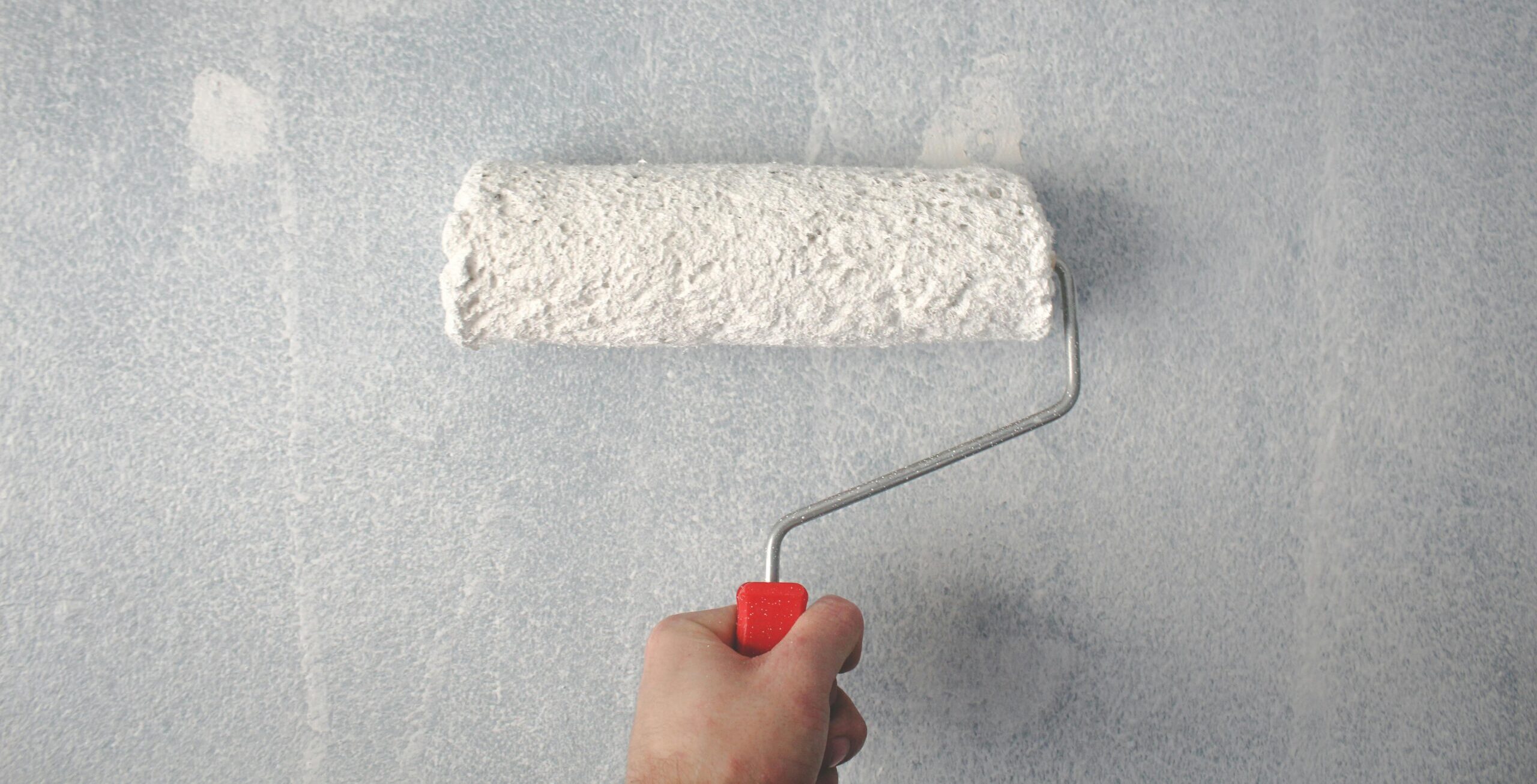
When preparing for a fresh coat of paint, one of the most common questions homeowners and DIYers ask is: “Do I need to remove the old paint first?” The answer depends on a few key factors, like the condition of the existing paint, the type of surface, and the look you’re going for. Let’s break it down so you can make the right call for your next painting project.
When You Don’t Need to Remove Old Paint
If the old paint is in good condition, meaning:
- It’s not peeling or flaking
- There are no cracks or bubbles
- It’s clean and well-adhered to the surface
…then you’re probably safe to paint right over it. Just make sure to:
- Clean the surface thoroughly to remove dust, grease, or dirt – you can use a mild detergent, sponge and microfiber cloth.
- Sand lightly to roughen the surface, helping the new paint adhere better.
- Apply a primer if you’re switching from a dark colour to a light one, or using a different type of paint (e.g., oil to latex)
This approach saves time and effort while still giving you a fresh, clean look.

When You Should Remove Old Paint
There are times when removing the old paint is not just recommended—it’s necessary:
1. Peeling or Flaking Paint
If the paint is visibly coming off the wall, painting over it will only lead to more peeling. The new paint won’t stick properly and will fail over time.
2. Multiple Layers of Old Paint
Too many layers can create a thick, uneven surface. This can make your finish look bumpy or rough. In some cases, old paint may even hide underlying damage, like mold or water stains.
3. Cracks, Bubbles, or Blisters
These are signs of poor adhesion or surface problems. Painting over them won’t solve the issue and could lead to an uneven or unattractive finish.
4. Lead Paint (for older homes)
If your home was built before the 1980s, there’s a chance the old paint could contain lead. In that case, never sand or scrape it yourself—contact a professional for proper removal.
How to Remove Old Paint (If needed)
If you determine that paint removal is necessary, here are a few common methods:
- Scraping: Use a paint scraper or putty knife to remove loose paint
- Sanding: Smooth out rough patches and feather edges
- Heat Gun: Softens the paint for easier scraping (use with caution)
- Chemical Strippers: Effective but should be used in well-ventilated areas with safety gear
Always wear protective gear—gloves, goggles, and a mask—when removing paint.
In most modern painting projects, removing old paint isn’t always necessary—if the surface is smooth, clean, and stable. However, if you’re dealing with peeling, cracking, or very old layers, taking the time to strip the wall can give you a better, longer-lasting finish.
So, before you pick up that roller or brush, take a good look at your wall. A little prep work now can save you from a lot of frustration later!
Need help choosing the right paint tools? Explore our full range of paint equipment or contact our team for expert advice! 🛠️👨🎨