Blog
How to Seal Concrete
What is concrete made from?
Concrete is a construction material made up of mainly water, Portland cement, sand and other cementitious materials such as fly ash and slag cement and aggregates (generally gravel, limestone, granite or agate.) Portland cement usually in powdered form acts as a binder when mixed with water and aggregate and hardens after mixing through a process known as hydration. Concrete is poured in a semi liquid state, laid and finished (compacted) to harden into a durable solid state.
Fun Fact: Concrete is used more than any other man-made material in the world.
How long should concrete cure before sealing?
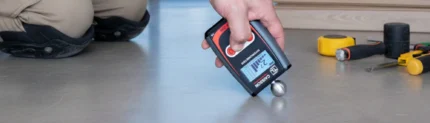
Concrete should not be sealed for at least 28 days after installation. This is because new concrete is extremely alkaline when installed which will attack the sealer. Secondly concrete cures through a process of hydration and should not be sealed with moisture content above 4-5%, to ensure the moisture level is correct you can use a moisture meter.
NB: Sealing wet concrete will result in sealer failure.
Is it necessary to clean before sealing?
Yes, this ensures no unwanted marks or dirt gets stuck in the sealer and ensure proper adhesion.
For removing surface dirt, contamination, red soil stains and very thin laitance use an acid-based cleaner like the Stoneshield Brick & Masonry Cleaner which also etches the floor to ensure proper adhesion, failure to etch the surface correctly will result in sealer failure. If you need to remove grease, grime or oil before sealing you can use Stoneshield Deep Clean or Stoneshield Wax-Off.
Tip: Before sealing check if the concrete has a finish similar to the feel of 80 grit sandpaper and is completely dry.
Why is it necessary to seal concrete?
Concrete floors are made with natural materials which require sealing to:
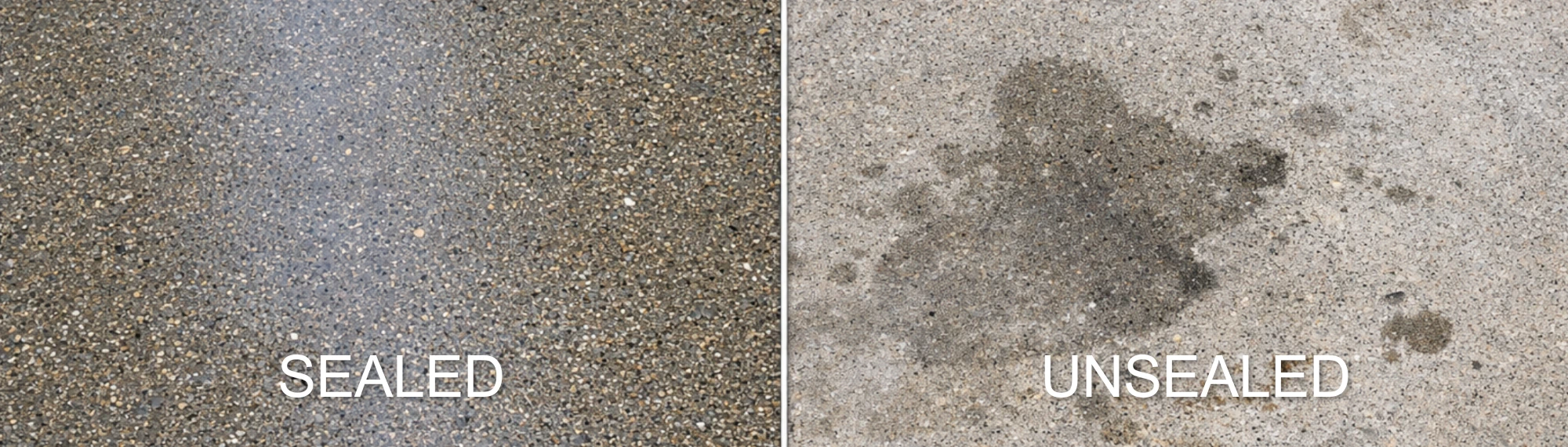
- Protect against permanent staining. e.g. motor oil – Sealing reduces the porosity of the concrete reducing the chance of permanent staining.
- Protect against chemical attacks from strong acids and alkalis.
- Strengthen the surface, providing increased abrasion resistance and surface protection.
- Possibly improve the aesthetic finish of the concrete.
- Stop concrete from dusting and prevents surface wear.
Which sealer should I use?
The intended purpose of a sealer is to protect the surface. Different types of protection are required based on the type of floor or surface. We’ve compiled a list of the best concrete sealers for each type of concrete surface.
Polished concrete: Concrete Densifier – Lithium
- Only protection against staining is needed.
- Penetrating or repellent sealer is required.
Ordinary concrete: Cement Sealer or Premium-Plus
- Protection against surface wear and tear.
- Protection against staining.
- Resin type sealer is required.
Vertical concrete: Wall-Cladding Sealer
- Protection against staining
- Protection against erosion from salt and chemical attack.
- Penetrating sealer or repellent is required.
Extra Tips
- Do not apply to damp floors or surfaces.
- Allow sufficient time, at least 24 hours between washing and sealing. Consult the sealer label for the correct drying times.
- Do not wet floors or surfaces for at least 24 hours after sealing.
- Allow at least 4 – 8 hours drying time before foot traffic depending on the sealer selected.
- Do not apply sealer externally if rain is expected within 12 hours.
- Store and use between 16°c and 32°c only.
| SURFACE TYPES | CONCRETE & SCREEDS | WALLS & CLADDING | ||
| NAME | PREMIUM-PLUS™ | CEMENT-SEALER™ | WALL-CLADDING-SEALER™ | |
| Quality | Premium quality | Superior quality | Superior quality | |
| Colour change | Colour enhancing | Colour enhancing | Natural look | |
| Surface finish | High gloss | Satin sheen finish | Natural finish | |
| Surface protection | Surface protection | No surface film | ||
| Type of sealer | Resin sealer | Resin sealer | Repellent | |
| Water / solvent | Solvent-based | Solvent-based | Water-based | |
| Usage | Interior only | Interior & exterior | Interior & exterior | |
| Over coating times | 4 hours | 2 hours | Wet on wet application | |
| Expected wear | 10 years + | 3 years | 15 years | |
| Min. no of coats | 2 coats | 2 coats | 1 coat | |
| Maintenance: cleaner | Deep-Clean™ | Deep-Clean™ | none | |
This article was brought to you by FloorsHQ, owner, manufacturer and distributor of premium flooring equipment, tools, and supplies since 1992. Unsure what sealer to use? Want to seal your concrete, but have no clue where to start? Need floor installation tips to help you get it right the first time? Contact Us, we’re happy to help. Ready to get started? Start shopping.