Blog
The Importance of Using a Spike Roller in Flooring Projects

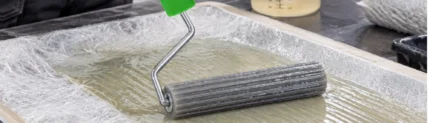
A spiked roller/ spike roller is a flooring installation tool primarily used to remove air bubbles and ensure a smooth, level finish when working with self-levelling compounds, epoxy, and urethane systems.
Why Use Spike Rollers in Flooring Projects?
Deaeration: The main purpose is to “deaerate” or vent the freshly poured liquid compound by popping trapped air bubbles, preventing imperfections in the cured floor.
Leveling/Distribution: The rolling action also helps to evenly distribute and level the material across the floor surface, minimizing the formation of “waves” or ridges.
Material Compatibility: Spiked rollers are designed for use with specific materials like self-levelling cement screeds, epoxy floor coatings, and urethane systems.
Construction: Most rollers feature solvent-resistant plastic or stainless-steel spikes and are often made with a durable steel or aluminium frame for longevity.
Spike Roller Significance in Flooring
Spike rollers help remove any inconsistencies and give you a perfectly smooth surface to work with. This is important because a level floor looks more appealing and helps with the overall performance of the finished surface. Irregular floors can lead to issues such as tripping hazards, wear, and cracking in the flooring material. You minimise these risks and ensure your floor will stand the test of time by using a spike roller.
Using Spike Rollers for Floors – A Simple Yet Effective Solution
Spiked rollers come in various sizes and with different spike lengths, which are selected based on the thickness of the material being applied.
Accessories: Many rollers fit standard extension poles, and related tools like spiked shoes (which allow you to walk on the wet floor without leaving marks).
Spike Lengths:
Short Spikes (e.g., 11mm or 12mm): Ideal for thinner systems, typically those less than 4mm thick, and for use with certain epoxy applications.
Long Spikes (e.g., 31mm or 2 inches): Used for thicker systems (above 4mm) and all cement-based compounds, as the longer spikes can penetrate deeper into the material.
Widths: Available in various widths, from compact 250mm rollers for edges and confined spaces to wider 400mm or 500mm versions for larger areas to improve efficiency.
When Using a Spike Roller for Flooring is Best
Use a spike roller when working with any material that requires smoothing. Some of the most common flooring applications include the following:
- Concrete Floors: Self-levelling concrete is a popular choice for both residential and commercial projects. A spike roller is pivotal for certifying that the concrete sets steadily and that bubbles are eliminated, whether you’re working on a basement floor or an industrial space.
- Epoxy Floors: Epoxy flooring systems can require evening out to create a solid result. Using a spike roller can help prevent issues such as cracking or uneven curing.
- Vinyl and Rubber Flooring: Spike rollers can be used to press the material down and ensure proper bonding with the subfloor when installing vinyl or rubber flooring with adhesives, lowering the risk of wrinkles or air pockets.
- Resin Floors: In some cases, resin flooring materials must be levelled properly for smooth application. A spike roller will help achieve a faultless finish.