Blog
Fibreglass: The Future of Waterproofing
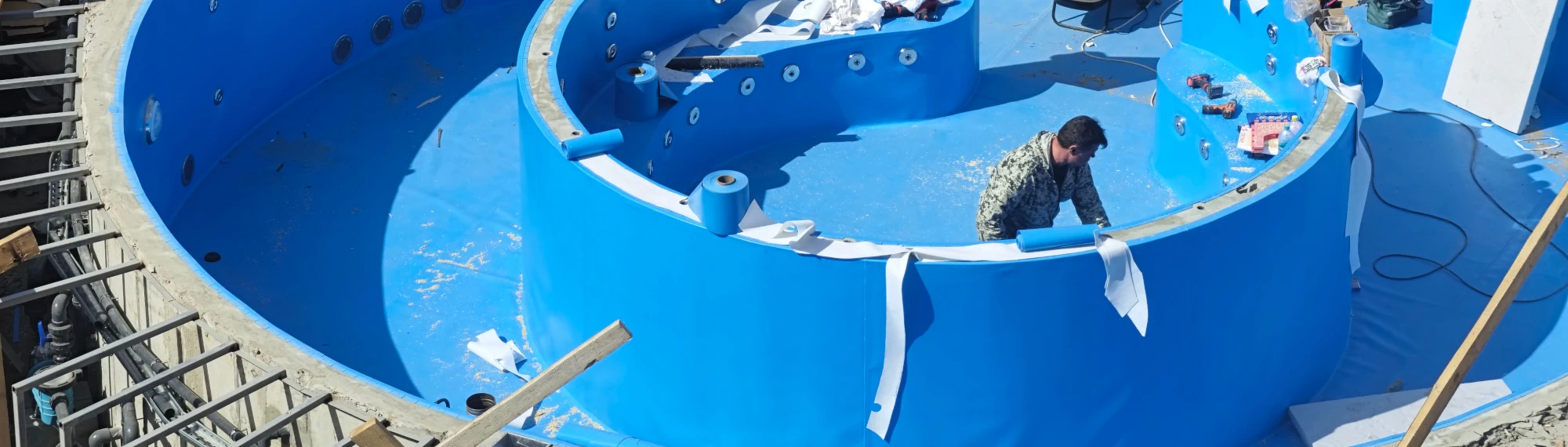
Waterproofing has always been about one thing: keeping water where it belongs and preventing it from damaging the structures we rely on. From roofs and balconies to ponds, tanks, bathrooms and industrial surfaces, effective waterproofing plays a critical role in protecting buildings and extending their lifespan.
Today, fibreglass is emerging as a versatile and durable solution that is changing the way we approach waterproofing.
What Makes Fibreglass Different?
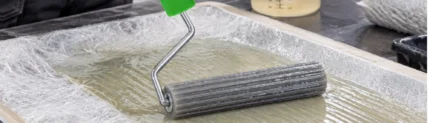
Fibreglass waterproofing combines glass-reinforced fibres with a resin system to create a strong, seamless protective membrane.
Unlike traditional waterproofing materials that may rely on overlapping sheets or joints, a properly installed fibreglass system can form a continuous barrier across the surface.
Built for Durability
One of the biggest advantages of fibreglass is its strength-to-weight ratio. Once cured, the material creates a tough surface that can withstand everyday exposure to moisture, weather and general wear.
For property owners, this can mean fewer concerns about premature deterioration and a waterproofing system designed for long-term performance when correctly specified and installed.
Versatile Applications
Fibreglass can be used across a wide range of waterproofing projects, including:
- Flat and pitched roofs
- Balconies and terraces
- Walkways and decks
- Bathrooms and wet areas
- Swimming pools and ponds
- Water tanks and containment areas
- Gutters and drainage details
- Commercial and industrial surfaces

Its versatility makes it suitable for both new construction and refurbishment projects.
A Seamless Solution
Waterproofing failures often occur at vulnerable areas such as joins, corners, penetrations and changes in surface direction. Fibreglass systems can be moulded and detailed around many of these areas, helping create a continuous waterproof layer.
The result is a system that doesn’t simply cover a surface—it creates a protective envelope around it.
Low Maintenance, Long-Term Protection
A waterproofing system is only as useful as its ability to continue performing after installation. Fibreglass surfaces are designed to provide a durable protective layer while requiring relatively little ongoing maintenance when properly installed and maintained.
Regular inspections remain important, particularly on roofs and exposed surfaces, but a robust waterproofing system can help reduce the risk of water-related deterioration.
Is Fibreglass the Future?
As construction increasingly focuses on durability, efficiency and long-term building performance, waterproofing materials need to do more than simply keep water out.
Fibreglass offers a combination of strength, versatility and seamless protection that makes it an increasingly attractive option for modern waterproofing applications.
The future of waterproofing isn’t just about stronger materials. It’s about smarter systems that protect buildings for longer, reduce maintenance requirements and provide reliable performance in demanding environments.
Fibreglass could be more than an alternative to traditional waterproofing—it could be a significant part of its future.


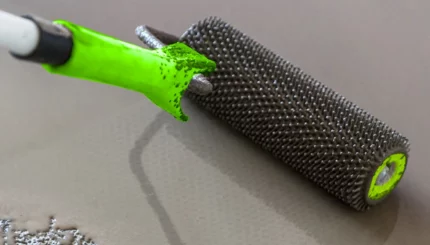
Fibreglass Waterproofing Installation Tool List
Tip: The exact equipment depends on whether you’re installing a roof, balcony, pool, tank, bathroom or industrial waterproofing system, and on the resin manufacturer’s application method. Always follow the product’s technical and safety data sheets.