Blog
Self-Levelling Screed: Benefits, Uses & How to Level New and Existing Floors
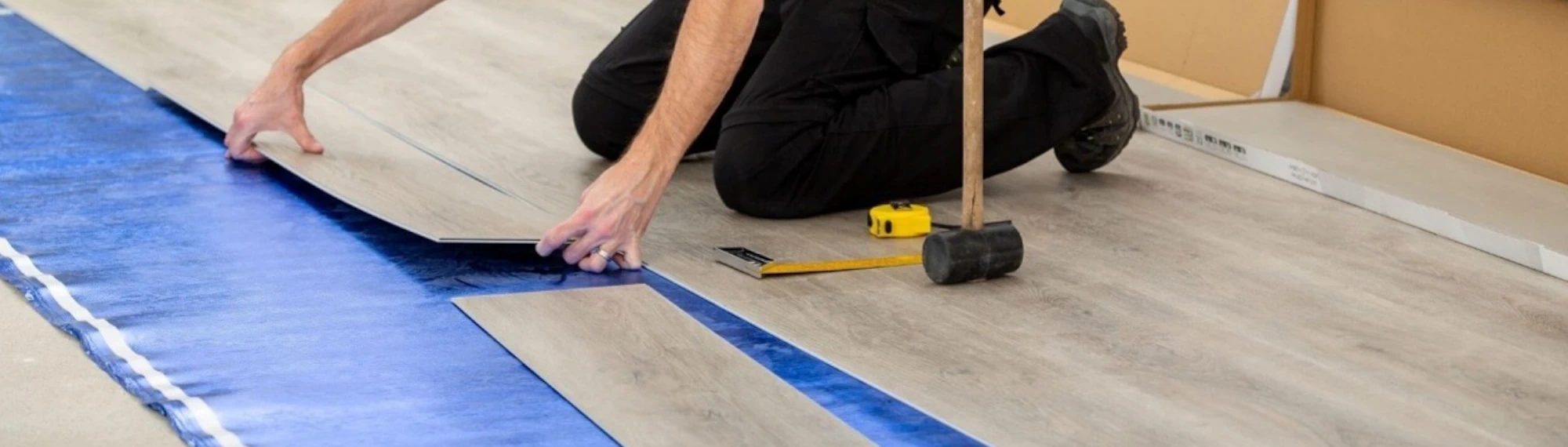
A smooth, level floor is the foundation of a successful flooring installation. Whether you are installing vinyl, laminate, tiles, engineered wood or another floor covering, the condition of the subfloor plays a major role in the final result. Uneven surfaces, minor dips, cracks and surface imperfections can affect how well a floor covering fits, performs and lasts.
Self-levelling screed is a practical solution for preparing uneven floors and creating a smooth, level surface ready for the next stage of a flooring project. It is commonly used in new construction, renovations and floor refurbishment projects where the existing substrate needs to be improved before a new floor covering is installed.
What Is Self-Levelling Screed?
Self-levelling screed is a specially formulated cement-based or other binder-based flooring compound designed to flow across a prepared subfloor and create a smoother, more level surface. Depending on the product, it may also be described as a self-levelling compound, floor leveller or self-levelling underlayment.
Unlike traditional sand-and-cement screed, which generally requires more manual spreading and levelling, self-levelling compounds are formulated to flow and settle after being mixed with the specified amount of water or other approved liquid.
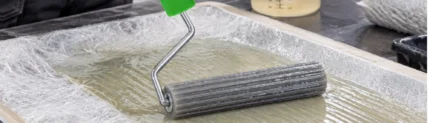
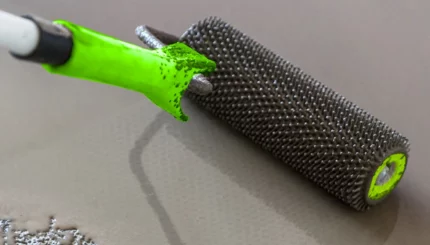
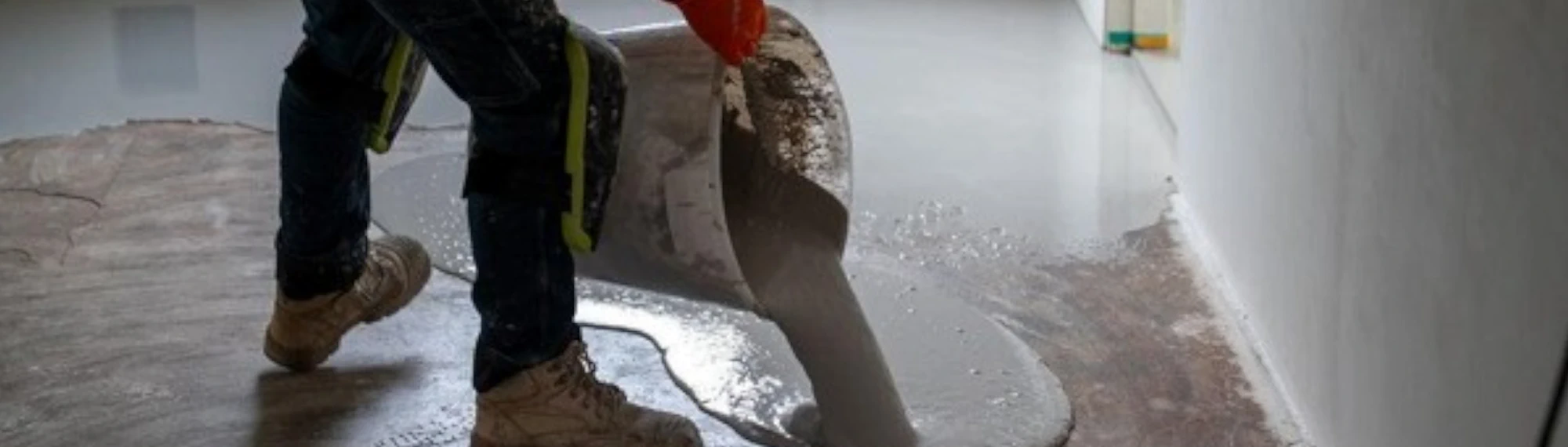
Once poured onto the floor, the compound is spread using suitable tools to help achieve the required coverage and thickness. It then hardens to form a suitable base for compatible floor coverings.
Self-levelling screed is commonly used over prepared concrete floors and cementitious screeds. Certain products are also suitable for other substrates, such as anhydrite screeds, tiles or approved timber-based floors, provided the product manufacturer specifies compatibility and the correct preparation system is followed.
It is important to understand that self-levelling screed is primarily used to improve the surface of a floor, not to replace a structurally sound subfloor. It cannot correct serious structural movement, and not every product is designed to create a perfectly horizontal floor in every situation.

Why Do You Need Self-Levelling Screed for Flooring?
- To Correct Uneven Floors
Concrete floors and existing screeds can contain dips, shallow depressions, ridges and minor surface irregularities.
These imperfections can make it difficult to achieve a smooth finish. A suitable self-levelling compound fills low areas and helps create a more consistent surface for the new flooring.
- To Prepare the Floor for New Floor Coverings
Many modern floor coverings require a smooth, sound and sufficiently level substrate. This is particularly important for thin floor coverings, such as vinyl sheeting and luxury vinyl tiles, where imperfections in the subfloor may become visible through the finished surface.
Many modern floor coverings require a smooth, sound and sufficiently level substrate. This is particularly important for thin floor coverings, such as vinyl sheeting and luxury vinyl tiles, where imperfections in the subfloor may become visible through the finished surface.
Self-levelling screed helps provide a suitable base for compatible flooring materials, including:
- Vinyl sheeting, LVT and LVP flooring.
- Laminate and engineered wood flooring.
- Ceramic and porcelain tiles, where the leveller is suitable for the installation system.
- Carpet and other resilient floor coverings.
- Certain commercial and industrial flooring systems.
Always check the flooring manufacturer’s substrate requirements before choosing a levelling compound.
- To Improve the Finished Appearance
An uneven subfloor can result in visible imperfections, inconsistent joints or an uneven appearance in the finished flooring.
By creating a smoother base, self-levelling screed helps the floor covering sit more consistently across the installation area, contributing to a neater, more professional finish. - To Reduce Flooring Installation
Problems Installing flooring over an unsuitable substrate can cause issues such as rocking tiles, uneven joints, visible surface irregularities and excessive movement in some floating floor systems.
Preparing the floor with an appropriate levelling compound helps reduce the risk of problems associated with minor subfloor imperfections. However, the correct installation method, adhesive and flooring system remain essential.
The quality of the subfloor directly affects the appearance and performance of the finished floor. Even when the floor covering is manufactured to high standards, installing it over an uneven surface can lead to problems.
Self-levelling screed helps create a consistent surface, making it easier to install floor coverings correctly.
The Benefits of Using Self-Levelling Screed
Self-levelling screed offers several practical advantages for flooring contractors, builders, renovators and property owners.
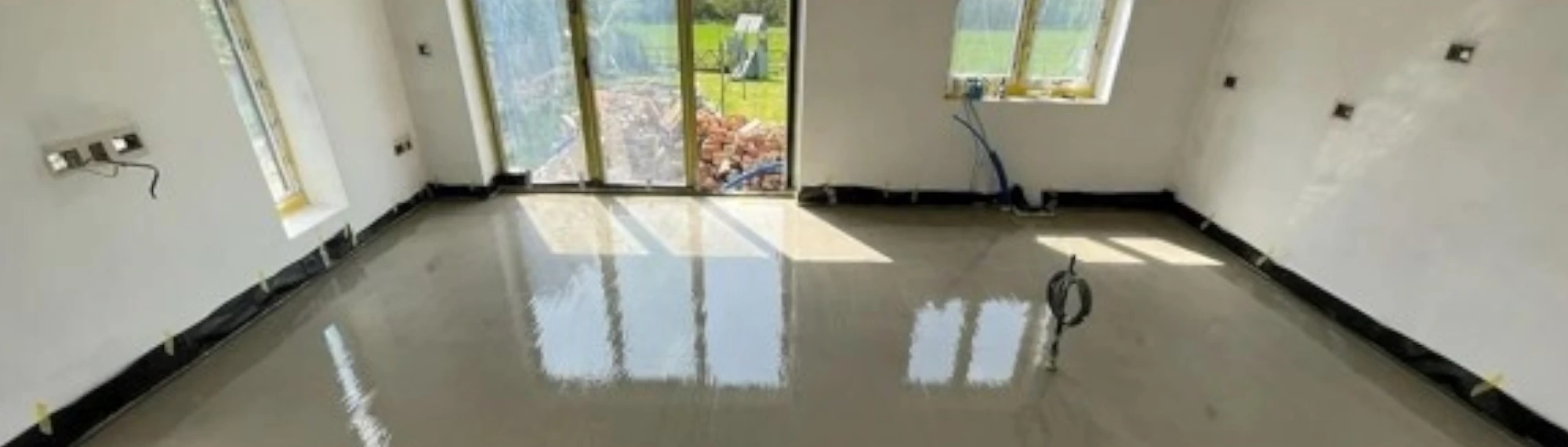
- Creates a Smooth, Consistent Surface
Helps fill minor depressions and surface irregularities, creating a more uniform base for the installation of compatible floor coverings. - Improves Flooring Installation Quality
A properly prepared substrate makes it easier to achieve a consistent finish, particularly when installing thin or flexible floor coverings. - Efficient Floor Preparation
Many self-levelling products can be mixed and applied efficiently over larger areas, helping contractors prepare floors without the labour-intensive levelling associated with some traditional methods. - Suitable for Renovations and New Builds
Depending on the product, self-levelling screed can be used on newly installed cementitious substrates or existing floors that require surface correction. - Supports a Longer-Lasting Flooring Installation
Correct substrate preparation helps reduce the likelihood of flooring problems caused by surface irregularities, protecting the quality of the finished installation.
Using Self-Levelling Screed on New Floors
Self-levelling screed is frequently used in new construction projects where a concrete slab or cementitious screed needs to be prepared before the final floor covering is installed.
Even a newly poured concrete floor may not be sufficiently smooth or level for certain flooring materials. Minor variations, trowel marks and surface imperfections can remain after the concrete has cured.
Applying a suitable self-levelling compound can help create the surface quality required for the chosen flooring system.
When Should You Apply It to a New Floor?
Self-levelling screed should only be applied once the underlying substrate meets the product’s requirements for strength, curing, moisture condition and preparation.
Before application:
- Allow the concrete or screed to cure for the period required by the manufacturer.
- Check the floor for high spots, low areas, cracks and surface defects.
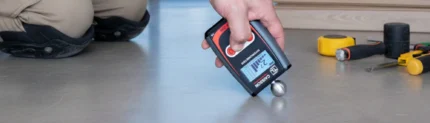
- Test for moisture where required, particularly before installing moisture-sensitive flooring.
- Remove dust, laitance, grease, curing compounds and other contaminants.
- Apply the specified primer, if required.
- Mix and apply the levelling compound according to the manufacturer’s instructions.
The result is a smoother, more consistent surface that can be finished with the appropriate floor covering once the compound has cured and reached the required moisture level.
Important: A self-levelling compound does not automatically make a new concrete slab ready for flooring. Moisture testing, curing requirements and the compatibility of the complete flooring system must still be considered.
Using Self-Levelling Screed on Old or Existing Floors
Self-levelling screed is also widely used in renovation projects, where the existing floor may have deteriorated or become unsuitable for a new floor covering.
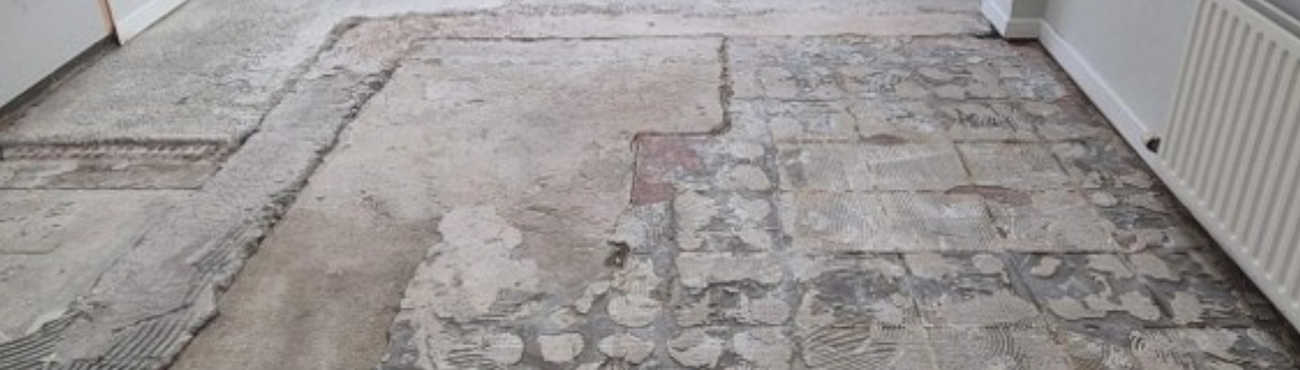
Over time, floors can develop surface damage, shallow depressions and uneven areas. Removing an old floor covering may also reveal adhesive residue, patches or imperfections that need to be addressed before installing the replacement flooring.
A suitable levelling compound can help restore the surface and prepare it for a new installation.
Self-levelling screed may be used to prepare:
- Old concrete floors with minor surface irregularities.
- Existing cement-based screeds that require smoothing.
- Floors where old tiles or floor coverings have been removed, provided the remaining substrate is suitable.
- Renovated residential floors before installing vinyl, laminate or other compatible coverings.
- Commercial floors being refurbished for a new flooring system.
Some specialist compounds can be applied over existing tiles, approved timber substrates or other non-standard surfaces. These applications require a product specifically designed for that substrate and the correct primer or preparation system.
Preparing an Old Floor Before Application
The condition of an existing floor must be assessed before applying self-levelling screed. Simply pouring compound over a damaged or contaminated surface can lead to poor adhesion, cracking or failure.
- Remove the Existing Floor Covering
Remove loose, damaged or unsuitable flooring materials. Any remaining adhesive must be assessed to determine whether it can remain, needs to be removed or requires a compatible encapsulation system. - Repair Damaged Areas
Repair cracks, holes and damaged sections using appropriate repair materials. Structural cracks or areas showing ongoing movement should be investigated before levelling. - Clean and Prepare the Surface
Remove dust, loose material, grease and other contaminants. Mechanical preparation, such as grinding, may be necessary to remove weak surface layers or improve the substrate condition. - Check Moisture and Substrate Stability
Ensure the existing floor is sound, stable and within the moisture limits specified for the levelling compound and final flooring system. - Apply the Correct Primer
Use the primer recommended for the substrate and levelling compound. Priming helps control absorption and supports adhesion when correctly specified and applied. - Apply the Self-Levelling Compound
Mix, pour and spread the compound in accordance with the manufacturer’s instructions, including the specified thickness and working time.
Once cured, the surface can be inspected and prepared for the new floor covering.
How to Apply Self-Levelling Screed
Although the exact process varies between products, most self-levelling compounds follow a similar application procedure.
- Assess the Subfloor
Check the substrate’s condition, level, moisture and suitability for the selected compound. - Prepare and Prime
Remove contaminants and loose material, complete necessary repairs and apply the specified primer. - Mix the Compound
Use the correct mixing equipment and exact liquid-to-powder ratio. Avoid adding excess water, as this can affect the finished result. - Pour and Spread
Pour the compound onto the prepared floor and distribute it using suitable levelling tools. Work within the product’s stated working time. - Allow It to Cure
Protect the surface while it sets. Follow the specified drying, curing and moisture requirements before installing the floor covering.
Common Mistakes to Avoid When Using Self-Levelling Screed
Even a quality levelling compound can produce poor results if the substrate is not properly prepared or the product is incorrectly applied.
| Common mistake | Why it matters |
|---|---|
| Applying over a dusty or contaminated floor | Can compromise adhesion and lead to debonding. |
| Using the wrong primer | May cause bonding problems or interfere with the compound’s performance. |
| Adding too much water | Can reduce strength and affect the surface finish. |
| Ignoring moisture issues | Can lead to flooring or adhesive failure. |
| Applying outside the specified thickness | Can cause cracking, poor curing or other defects. |
| Installing flooring too early | Trapped moisture may damage the flooring system. |
| Using the compound over a moving or unstable substrate | Cracking or failure may occur. |
Always follow the technical data sheet for the specific levelling compound and the requirements of the final flooring manufacturer.
Frequently Asked Questions
Planning a flooring project? Explore the floor preparation products available from FloorsHQ to help you prepare your substrate for the next stage of your installation.