Blog
Wood Stamped Concrete: The Durable Alternative to Real Wood

Wood stamped concrete offers an attractive balance between natural-looking design, durability and manageable maintenance.
With the right stamping pattern, colour combination, concrete preparation and sealer, an ordinary concrete surface can be transformed into a convincing wood-inspired finish.
Whether you’re planning a patio, walkway, entertainment area or pool surround, choosing the right decorative concrete products and installation methods can make a significant difference to the final result.
What Is Wood Stamped Concrete?
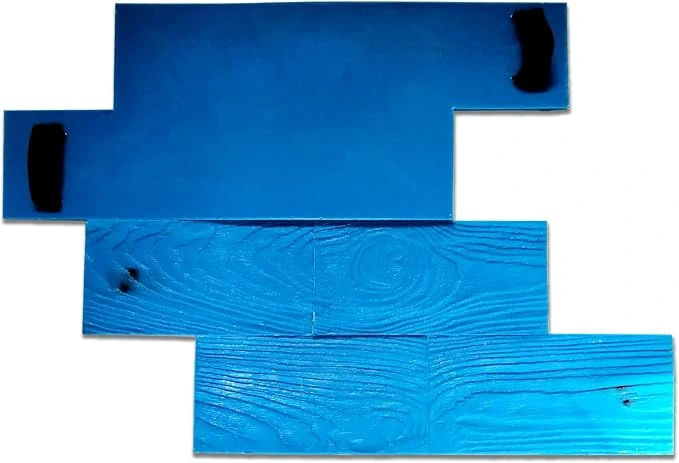
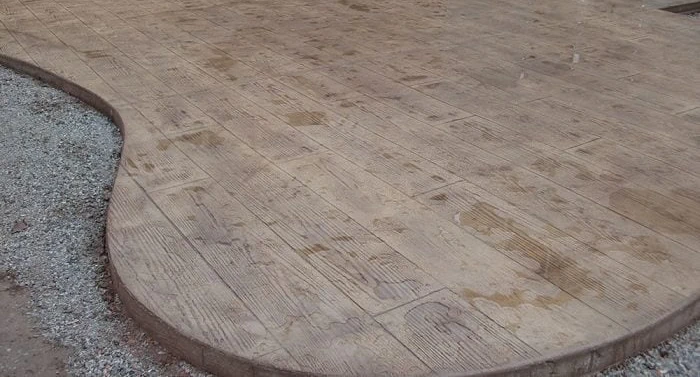
Wood stamped concrete is decorative concrete designed to recreate the appearance of natural timber. Instead of installing individual wooden boards, specialised stamps are pressed into freshly poured concrete to create realistic plank shapes, grain patterns, knots, joints and other wood-like details.
Colouring techniques can then be used to create anything from warm oak and cedar tones to darker walnut shades or weathered grey finishes.
The result is a continuous concrete surface that captures the visual appeal of timber while offering many of the practical characteristics associated with concrete.
How Is Wood Stamped Concrete Installed?
Creating a realistic wood effect requires more than simply pressing a pattern into wet concrete. Proper preparation, timing and finishing all contribute to the final result.
1. Prepare the Surface
The installation area needs to be cleared, levelled and properly compacted. A stable sub-base and suitable drainage help reduce problems such as settlement and cracking.
The concrete design should also be determined according to the intended use of the area.
2. Pour and Level the Concrete
Concrete is placed over the prepared base and levelled to the required thickness.
Reinforcement may be required depending on the application, particularly where the surface will experience heavier loads or vehicle traffic.
3. Add the Colour
Colour can be incorporated into the concrete or applied using decorative concrete colouring systems.
Using more than one complementary tone can create a more natural timber appearance because real wood is rarely completely uniform.
4. Stamp the Wood Pattern
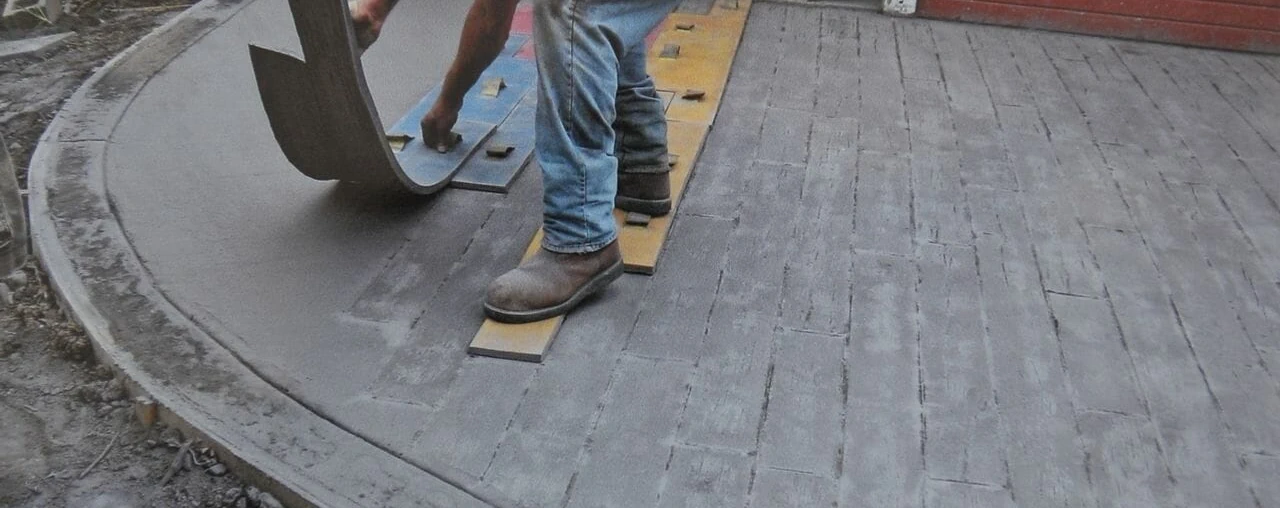
Specialised wood-grain stamps are pressed into the concrete while it is still workable.
The stamps create the appearance of individual planks, including features such as grain, knots and saw marks.
Timing is critical during this stage. If the concrete is too soft or too hard, the pattern may not transfer correctly.
5. Add Finishing Details
Additional colour variation and detailing can be used to create depth and make the surface appear more like natural timber.
Borders and different plank layouts can also be incorporated into the design.
6. Cure and Seal
The concrete must be allowed to cure according to the requirements of the installation and products being used.
Once ready, a suitable concrete sealer can be applied to protect the surface and enhance the decorative finish.
Why Choose Wood Stamped Concrete Instead of Wood?
Natural timber has an authentic appearance and feel, but outdoor wooden surfaces can require considerable maintenance.
Moisture, sunlight and everyday use can contribute to problems such as fading, warping, splintering and deterioration. Wood stamped concrete eliminates individual timber boards, making it an attractive alternative for homeowners who want the look of wood without traditional timber decking.
Key reasons to consider wood stamped concrete include:
- Durability: Properly installed concrete can provide a long-lasting surface.
- No timber rot: Concrete does not rot like untreated or poorly protected wood.
- No splintering boards: There are no individual wooden boards to splinter.
- Lower routine maintenance: Maintenance generally focuses on cleaning and resealing rather than sanding and treating individual boards.
- Design flexibility: Colours, textures, plank sizes and layouts can be customised.
- Continuous surface: The concrete creates one cohesive installation rather than multiple separate boards.
There is a trade-off, however. Concrete can crack, and repairs can be more difficult to disguise than replacing a single damaged timber board.
Why Is Wood Stamped Concrete So Popular?
The popularity of wood stamped concrete comes down to one simple advantage: it combines the appearance of timber with the practical benefits of concrete.
Modern stamping techniques can reproduce detailed wood grain, knots, plank seams and weathered textures. With carefully selected colours and patterns, the finished surface can look remarkably similar to timber.
It also provides considerable design freedom.
You can create a finish inspired by:
- Rustic reclaimed wood
- Weathered timber
- Cedar
- Oak
- Dark walnut
- Driftwood
- Contemporary wide-plank flooring
Wood stamped concrete is particularly popular for outdoor living areas because it can provide a timber-inspired appearance without installing conventional decking.
For areas exposed to water, such as pool surrounds, the texture and sealer should be selected carefully to provide suitable traction.
Pros and Cons of Wood Stamped Concrete
The best choice depends on your priorities. If authentic timber texture and feel are essential, real wood may be preferable. If durability, design flexibility and easier routine maintenance are higher priorities, wood stamped concrete can be an excellent alternative.
| Pros | Cons |
|---|---|
| Realistic wood appearance | Concrete can crack |
| Durable when correctly installed | Repairs may be difficult to disguise |
| Does not rot like timber | Requires periodic maintenance |
| No splintering wooden boards | Some sealed surfaces can become slippery when wet |
| Lower routine maintenance than many timber decks | Installation requires experience |
| Wide range of colours and patterns | Does not feel exactly like genuine wood |
| Suitable for patios and outdoor areas | Deep textures may affect certain wheels or mobility equipment |
| Continuous, cohesive surface | Major repairs can be more complicated |
How to Seal Wood Stamped Concrete
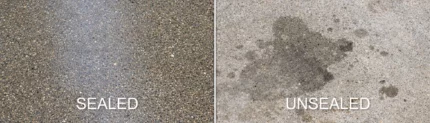
Sealing is an important part of protecting decorative concrete and maintaining its appearance.
Step 1: Make Sure the Concrete Is Ready
The concrete should be sufficiently cured before the sealer is applied. Always follow the curing requirements specified for the concrete and sealer being used.
Step 2: Clean the Surface
Remove dirt, dust, loose material and other contaminants before sealing. The surface should be clean and properly prepared so the sealer can perform as intended.
Step 3: Choose the Correct Concrete Sealer
Use a sealer designed for decorative or stamped concrete.
The right product will depend on factors such as:
- Indoor or outdoor use
- Exposure to sunlight
- Expected traffic
- Moisture exposure
- Desired appearance
- Required slip resistance
Pool areas and other wet locations require particular attention because certain smooth sealers can make surfaces slippery when wet.
Step 4: Apply the Sealer Correctly
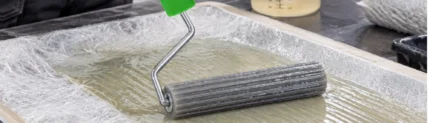
Apply the product according to the manufacturer’s instructions, including the recommended coverage rate and application method.
Avoid applying excessive product, as this can affect the appearance and performance of the finished surface.
Step 5: Maintain and Reseal
Sealing is not a permanent treatment. Regular cleaning and periodic resealing can help protect the decorative finish from moisture, stains, UV exposure and everyday wear.
The frequency will depend on traffic, weather exposure and the specific sealer used. A commonly referenced maintenance interval is approximately every two to three years, although the manufacturer’s recommendations should take priority.
How to Make Wood Stamped Concrete Look More Realistic
The quality of the finished design depends heavily on the details.
- Choose a Detailed Wood Stamp – Look for patterns that reproduce natural characteristics such as grain, knots, saw marks and imperfections.
- Use Multiple Colours – Combining complementary shades gives the surface more depth and reduces the artificial appearance that can result from a single uniform colour.
- Avoid Excessive Pattern Repetition – Repeating exactly the same pattern across a large area can make the concrete look manufactured. Varying plank arrangements and stamp orientation can create a more natural appearance.
- Consider a Border – A contrasting border can frame the wood-look pattern and give the area a more finished architectural appearance.
Is Wood Stamped Concrete a Good Alternative to Timber?
For many applications, yes.
Wood stamped concrete provides an effective way to introduce the warmth and character of timber without installing traditional wooden boards. It combines decorative flexibility with the durability of a concrete surface.
However, it is not maintenance-free. Proper installation, curing, cleaning and resealing all contribute to the long-term performance of the surface.
If you want the appearance of wood without the maintenance associated with traditional timber decking, wood stamped concrete is worth considering.

Looking for concrete finishing, colouring or sealing products? Explore our full range to find products and tools for your next flooring or concrete project.